DHAKA, Nov 17: Garment workers in Bangladesh stepped up protests, demanding that the monthly minimum wage be raised from Tk 12,500 to Tk 30,000. The protests disrupted production in several industrial areas and forced more than 100 factories to close.
Workers held demonstrations in Dhaka, Gazipur, Ashulia and other industrial areas. They said rising costs of food, house rent, transport and medical treatment had made it difficult to meet daily needs as their earnings had not increased accordingly.
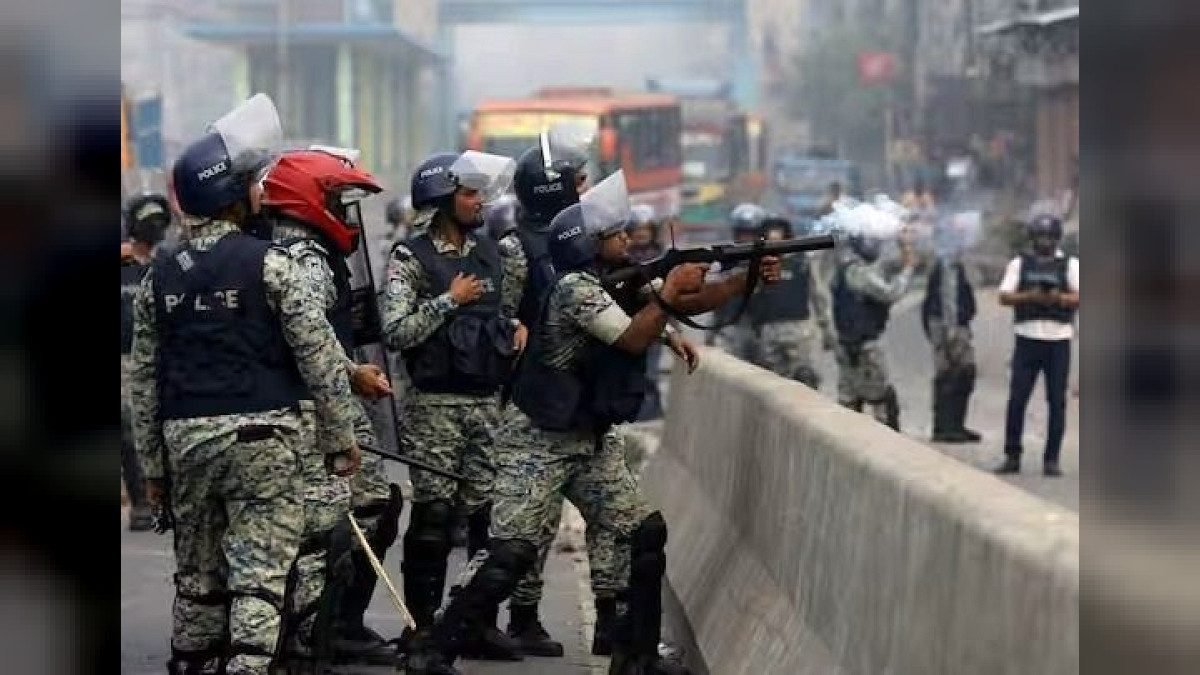
Clashes broke out between workers and police at some places during the protests. Police used tear gas and sound bombs to bring the situation under control. Production at several factories stopped following the clashes and road blockades.
Six-member wage board formed
The Bangladesh government formed a six-member wage board on November 1 to consider the workers' demands. At a meeting on November 4, the board decided to implement a new wage structure from December.
However, the final quantum of the wage increase has not been decided. Workers are expected to receive their first salary under the new structure in January.
The garment sector employs around 40 lakh people in Bangladesh and accounts for more than 80 per cent of the country's export earnings. Bangladesh is the world's second-largest garment exporter.
Factory owners said a steep wage increase could put additional pressure on the industry, citing production costs, energy prices and competition in international markets. The protests have raised concerns over disruptions to production and exports.