
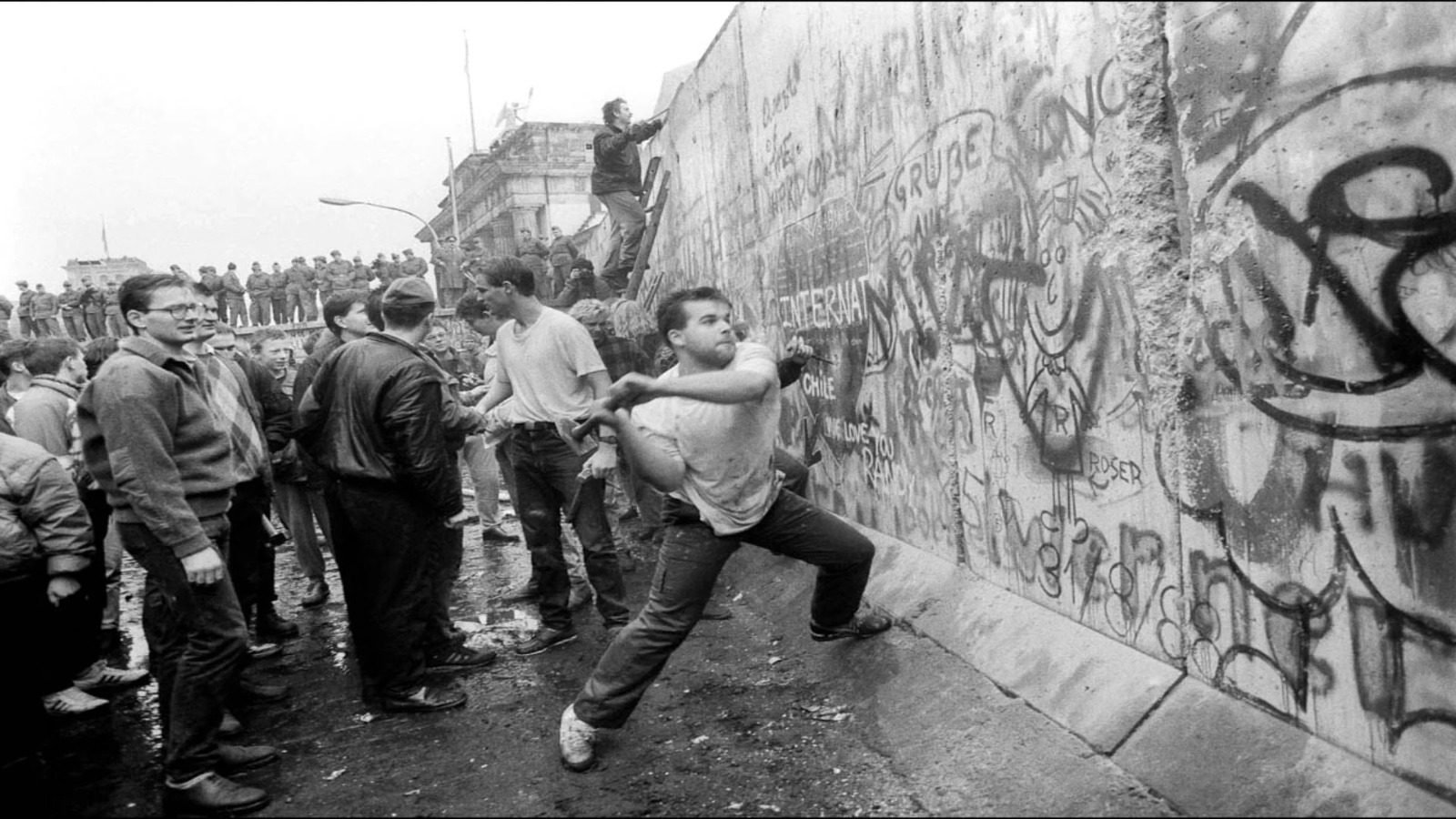
A wall divided a city into two. It separated families, relatives and loved ones. Even though they lived in the same city, thousands of people could not meet each other for years. For nearly 28 years, Berlin, the capital of Germany, remained a symbol of this division. But on November 9, 1989, the border crossings along the Berlin Wall were opened, marking a historic turning point in world history.
Why Was the Berlin Wall Built?
After World War II, Germany was divided into two parts: East Germany and West Germany. East Germany came under the influence of the Soviet Union, while West Germany was supported by the United States, Britain and France. Berlin itself was also divided into eastern and western sectors.
During this period, thousands of people left East Germany and moved to West Berlin in search of better living conditions and greater freedom. To stop this movement, the East German government began building the Berlin Wall on August 13, 1961.
Initially, barbed wire was used to close the border. Later, it was replaced by a massive concrete wall, supported by guard towers and strict security arrangements.
A Wall That Separated Families
The Berlin Wall was more than just a concrete structure. It became a painful reality in the lives of thousands of people. Families were divided, children were separated from their parents, and relatives living just a short distance away could no longer meet freely.
For many people, crossing from one side of the city to the other became almost impossible. Several people also risked their lives while attempting to escape from East Germany to the West.
How Did the Wall Come Down After 28 Years?
By the late 1980s, political changes were sweeping across Eastern Europe. The reform policies introduced by Soviet leader Mikhail Gorbachev also influenced the region.
Meanwhile, people in East Germany began demanding greater freedom, democratic rights and the right to travel without restrictions. Thousands took to the streets to protest against government restrictions.
On November 9, 1989, East German government spokesperson Günter Schabowski announced a new travel policy during a press conference. When journalists asked when the new rules would take effect, he indicated that they would come into force immediately.
Following the announcement, thousands of people gathered at border checkpoints in Berlin. As the crowds grew, border guards eventually opened the crossings. For the first time in decades, people could freely travel between East and West Berlin.
A Night of Celebration in Berlin
As news of the opening spread, people from both sides rushed to meet their loved ones. Families reunited after years of separation. Many embraced each other, while others celebrated on top of the wall.
People also began breaking sections of the wall using hammers and other tools. Images of the celebrations quickly spread across the world, making November 9, 1989, one of the most memorable nights in modern history.
Germany Reunified
The fall of the Berlin Wall paved the way for German reunification. On October 3, 1990, East and West Germany officially reunited, bringing an end to decades of political division.
The fall of the wall became one of the defining events of the Cold War era. It not only transformed Germany but also accelerated political changes across several Eastern European countries.
November 9 in History
November 9 remains an important date in world history because of the fall of the Berlin Wall. The event demonstrated that political barriers could divide people for years, but they could not permanently suppress the human desire for freedom and unity.
The night of November 9, 1989, continues to stand as a powerful symbol of freedom, democracy and the reunification of people separated by political divisions.