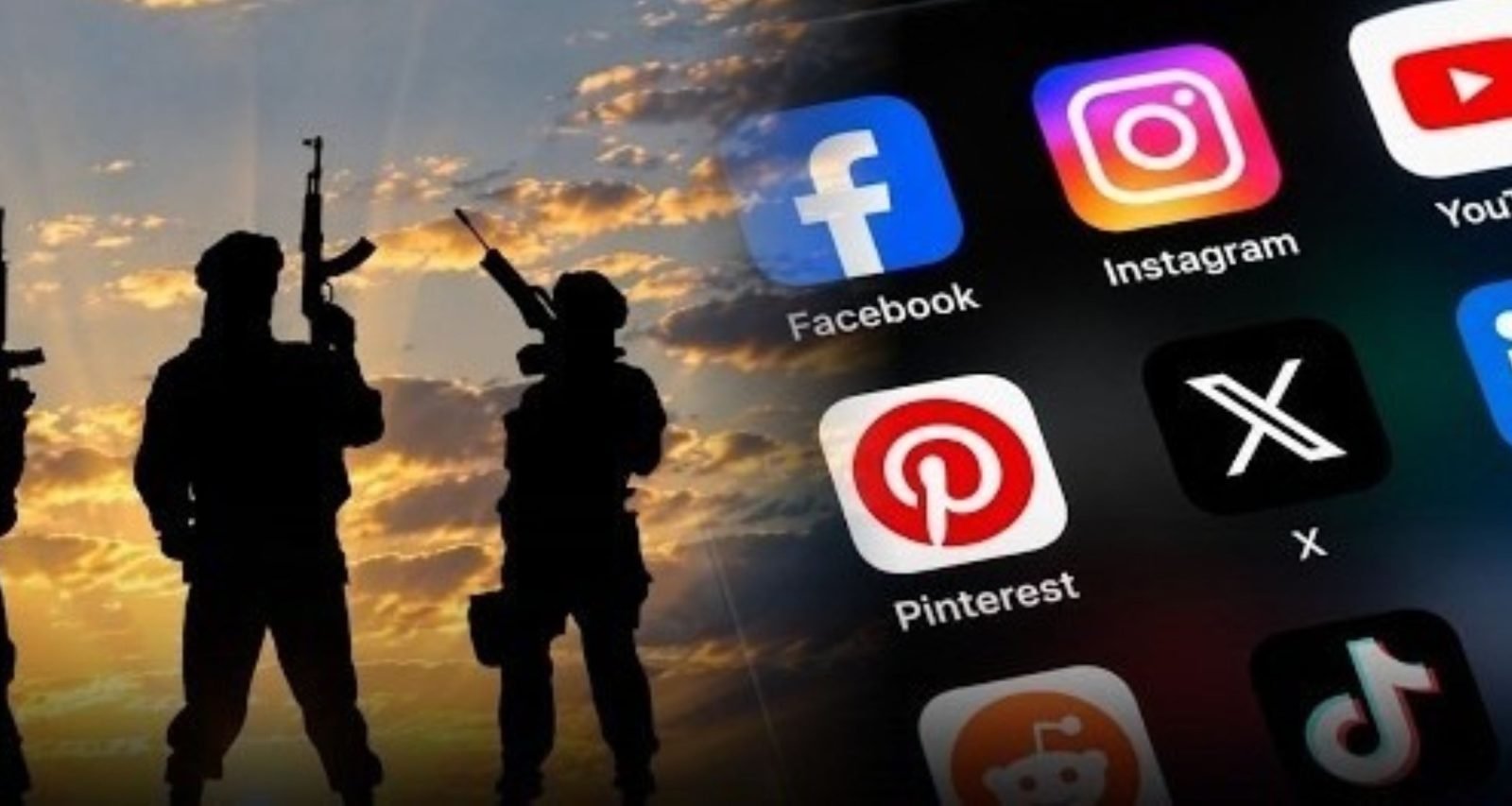
NEW DELHI, Nov 12: The National Investigation Agency (NIA) began investigating allegations that Pakistan-based gangster Shahzad Bhatti and people linked to Pakistan's Inter-Services Intelligence (ISI) used social media to radicalise Indian youth and incite them to carry out terror attacks in the country.
The agency registered a fresh case based on an FIR lodged by the Uttar Pradesh Anti-Terrorism Squad (ATS) in April this year. The FIR named eight people, including Bhatti and several persons allegedly linked to the ISI.
Investigators alleged that Bhatti, Abid Jat and some Pakistan-based extremist YouTubers targeted Indian youth on the directions of the ISI. They allegedly offered money and other inducements to draw them into activities aimed at disturbing internal peace and communal harmony.
Other accused named in the Uttar Pradesh ATS FIR included Mohammad Hamad Barkati, Abid Jat, Major Hamid, Major Iqbal and Major Anwar. Investigators said several of them were linked to the Pakistan-based ISI. Tushar Chauhan alias Hizbullah Ali Khan of Uttar Pradesh and Sameer of Delhi were also named as accused. The Uttar Pradesh ATS arrested both in April this year.
Investigators said they found evidence of direct contact between the two accused and Pakistani operatives while probing the alleged presence of Pakistan-linked sleeper cells formed through social media. They were also accused of planning activities that could have caused large-scale unrest in the country.
Uttar Pradesh Additional Director General of Police Amitabh Yash had earlier said the investigation indicated that Bhatti, Abid Jat and some Pakistan-based extremist YouTubers had targeted Indian youth and allegedly tried to draw them into extremist activities by offering money.
In September this year, the Centre declared the Pakistan-based Shahzad Bhatti Network a terrorist organisation under the Unlawful Activities (Prevention) Act, citing allegations of its involvement in terror activities in India.
The NIA will examine how the youth were targeted through social media, how they came into contact with Pakistan-based operatives and whether the network planned possible attacks in the country.