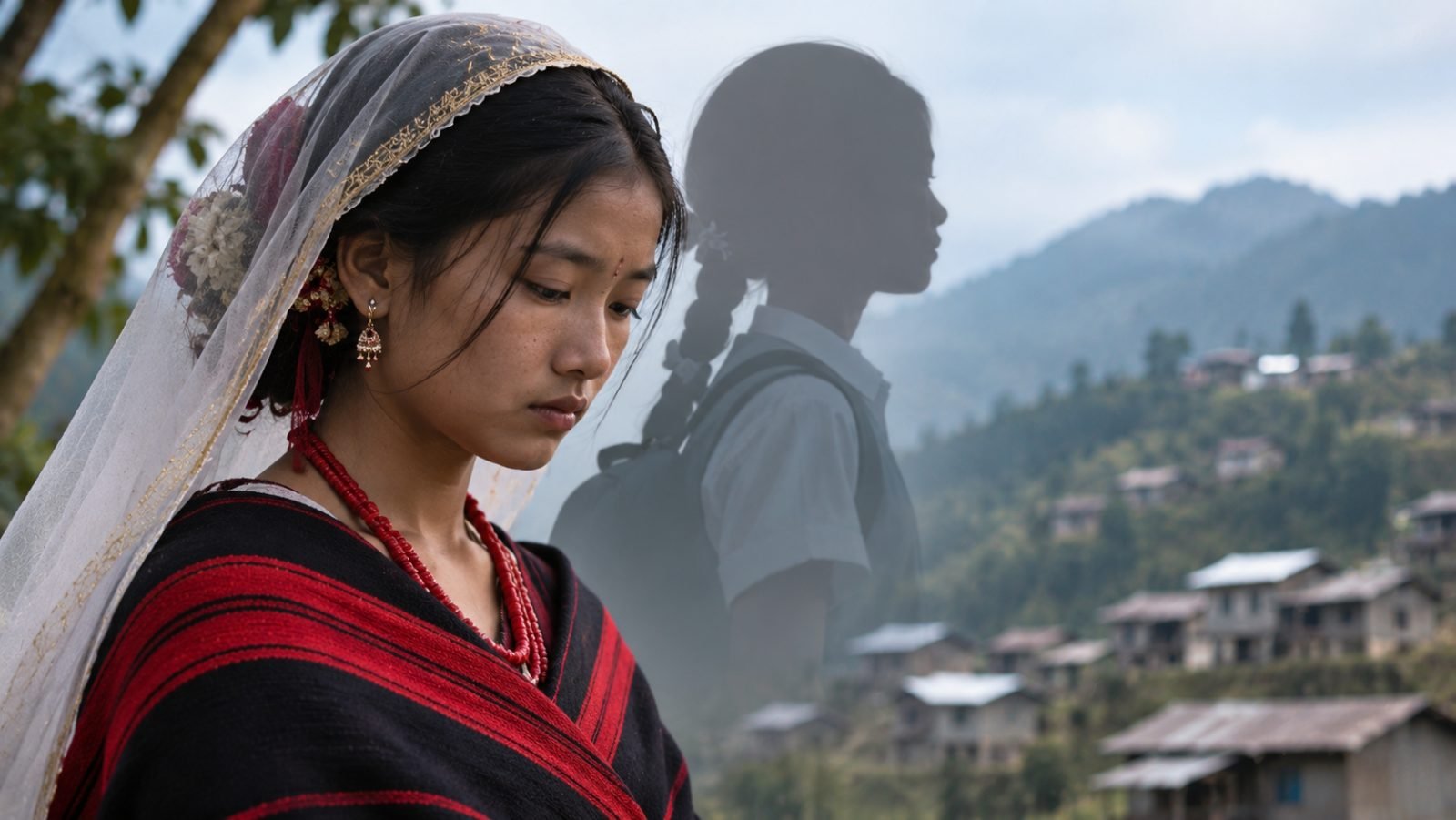
KOHIMA: Child marriage prevalence in Nagaland remained a concern, with 5.6 per cent of women aged 20 to 24 having married before turning 18, Social Welfare Secretary Limawabang Jamir said on Friday, citing National Family Health Survey-5 data.
The incidence was higher in rural areas at 7.3 per cent, compared with 2.4 per cent in urban settlements, Jamir said at an event held to mark the first International Day for the Elimination of Child, Early and Forced Marriage.
He said teenage pregnancy remained a major concern alongside child marriage and called for sustained community-level awareness and preventive action.
Child Marriage Prohibition Officers had been designated in all 17 districts, while Mission Shakti's Beti Bachao, Beti Padhao initiative was promoting girls' education, checking school dropout rates and challenging discriminatory social practices, he said.
Jamir said the Prohibition of Child Marriage Act, 2006, was under process for formal adoption by the state government, though its principles were being implemented through departmental interventions.
Social Welfare Advisor and MLA Wangpang Konyak said protecting women and girls was a fundamental human rights issue and essential for ensuring equality, justice and sustainable development.
“How would people feel if their daughters were forced into marriage, deprived of education or denied the freedom to choose their future?” Konyak asked, appealing to people to treat every girl with dignity.
He expressed concern over teenage pregnancies, particularly in rural areas, and said the absence of formally solemnised or officially reported child marriages should not lead to complacency when pregnancies among very young girls remained a concern.
He called for stronger coordination among government agencies and urged churches, tribal and community leaders, educational institutions, NGOs and civil society groups to participate actively in eliminating child marriage.
During a session at the event, it was proposed that a statewide 100-day campaign be held from November 27 to March 8 next year, with civil society groups, churches and village councils participating to raise awareness against child marriage and child trafficking.