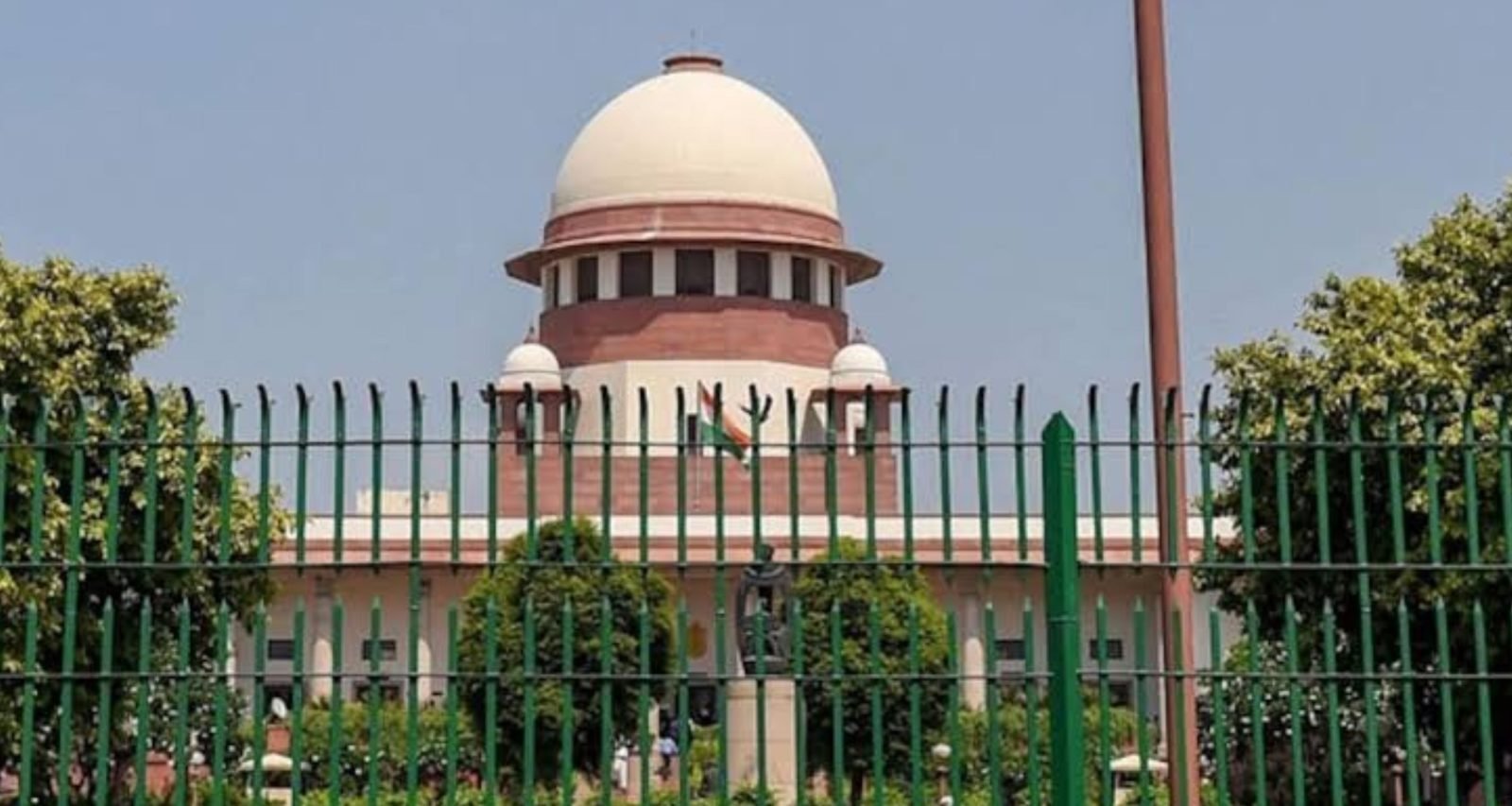
NEW DELHI, Nov 12: The Supreme Court held that divorce decrees granted by foreign courts cannot be treated as automatically valid in India.
A bench of Justice Prashant Kumar Mishra and Justice Sri Chandrashekhar gave the ruling while dismissing a petition by N Sridhar Reddy seeking to quash a bigamy case filed against him for allegedly marrying a second time without legally ending his first marriage.
Reddy argued that he was a British citizen and had obtained a divorce decree from the Cambridge County Court. He contended that a bigamy case could not proceed against him in India. The court rejected the argument.
The bench said Reddy's first marriage had been solemnised in India according to Hindu rites. Therefore, only a competent matrimonial court in India had jurisdiction to decide the validity and dissolution of the marriage.
The court noted that Reddy had first sought divorce before a civil court in Guntur, Andhra Pradesh. After he did not get relief, he moved the High Court but later withdrew the petition. He subsequently acquired British citizenship and approached the foreign court.
The Cambridge County Court granted the divorce on January 29, 2014, on the ground of irretrievable breakdown of marriage. The Supreme Court observed that irretrievable breakdown, by itself, was not a recognised statutory ground for divorce under the Hindu Marriage Act.
The bench said a foreign court decree based on grounds inconsistent with Indian law or not recognised by Indian matrimonial law could not be automatically recognised in India. It said such decrees must meet specified legal conditions under Section 13 of the Code of Civil Procedure to be enforceable in the country.
The court also noted that Reddy's first wife, Geeta Prashanthi, had objected to the jurisdiction of the foreign court. It said the foreign divorce decree could not be binding on her. A second marriage abroad or a change in citizenship did not remove legal obligations arising from the first marriage, it added.