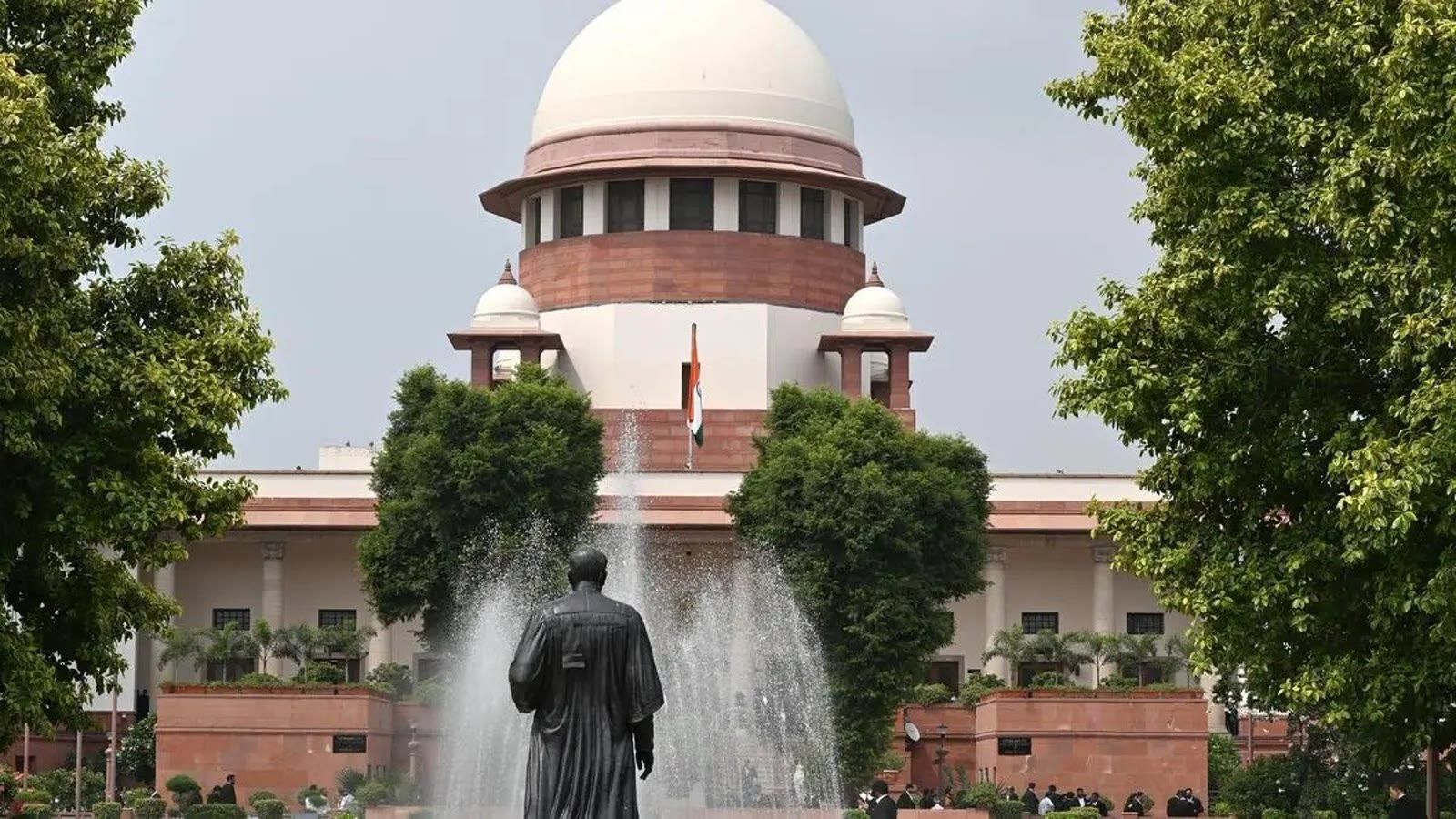
November 3: The Supreme Court has sought responses from the Ministry of Petroleum and Natural Gas and the Assam government on a petition filed by Oil India Limited (OIL), challenging the rejection of its proposal for hydrocarbon exploration beneath Assam’s Dibru-Saikhowa National Park using Extended Reach Drilling (ERD) technology.
A bench comprising Chief Justice Surya Kant and Justices Joymalya Bagchi and V Mohana issued the direction on Tuesday. OIL has challenged the rejection of its proposal to explore hydrocarbon reserves beneath the national park.
Appearing for OIL, senior advocate Rakesh Dwivedi told the court that the proposed technology would allow drilling at depths exceeding 4,000 metres without harming the park’s flora and fauna. He also submitted that the area surrounding Dibru-Saikhowa is estimated to hold around three per cent of India’s total hydrocarbon reserves.
The proposal involved the diversion of 0.069 hectares of forest land in Tinsukia district for the project. However, the Forest Advisory Committee rejected the proposal, following which the Ministry of Environment, Forest and Climate Change (MoEFCC) also refused approval. OIL has challenged these decisions.
The company has argued that ERD technology allows drilling platforms to be set up outside protected areas, with wells extending horizontally underground towards the hydrocarbon deposits. It has maintained that such operations should not be treated as conventional mining. These are OIL’s submissions and have not been accepted as a final judicial finding.
The Supreme Court indicated that it could consider the proposal based on research and development reports submitted by the concerned authorities. The matter is expected to be taken up after November 17.
The case also involves the interpretation of the Supreme Court’s April 26, 2023, order prohibiting mining inside national parks and wildlife sanctuaries and within one kilometre of their boundaries.