New Delhi, November 4:
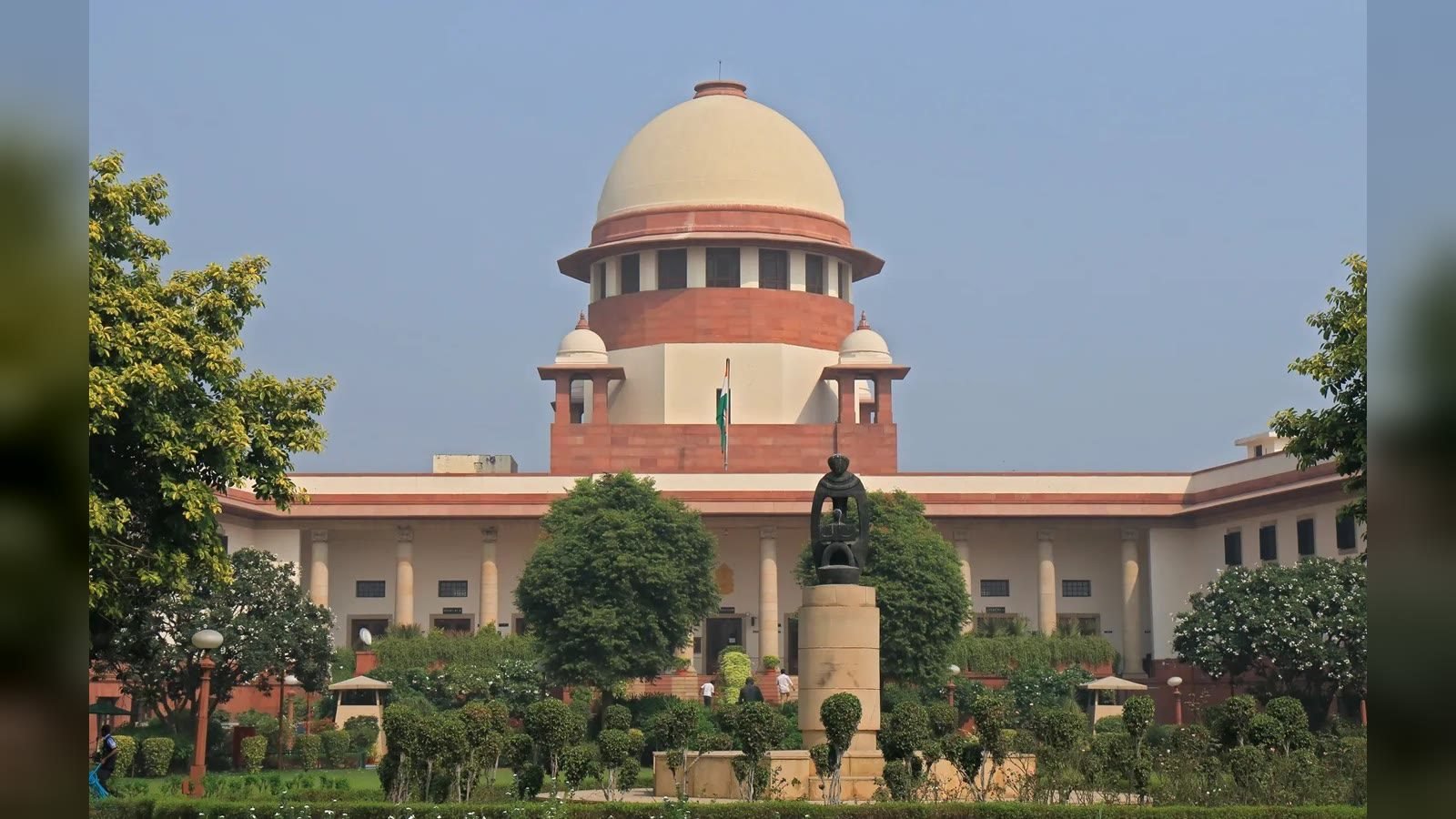
The Supreme Court has observed that laws penalising people for having more than two children have lost their relevance in view of the declining fertility rate in India. The court indicated that such restrictions need to be reconsidered in light of the country’s changing demographic conditions.
The observations came during a hearing on a Maharashtra law that disqualifies people with more than two children from contesting or holding positions as panchayat members and sarpanches. A two-judge bench headed by Justice P S Narasimha noted that having three children has become increasingly uncommon, with many families now choosing to have only one child.
The bench also expressed concern that the two-child restriction is being used as a political weapon by rival candidates during elections. It questioned the rationale for continuing population-control policies when fertility rates are declining across several states.
Referring to demographic data, the court noted that India’s total fertility rate stood at 3 in 2003 but has now fallen to 1.9. The replacement fertility rate, considered necessary to maintain a stable population across generations, is 2.1.
The court clarified that although India’s overall population is not declining yet, the impact of fertility falling below the replacement level will become visible in the coming years. This could lead to a rise in the elderly population and a decline in the proportion of people in the working-age group. It warned that ignoring these demographic changes could have serious consequences for the country.
The case relates to a petition filed by former Maharashtra sarpanch Mangala Bhimrao Ingle, who challenged a Bombay High Court ruling upholding her disqualification on the ground that she had more than two children. Section 14(1) of the Maharashtra Village Panchayats Act, 1959, bars people with more than two children from contesting or continuing as panchayat members or sarpanches.
The Supreme Court also indicated the need to reconsider its earlier rulings, including the 2003 Javed versus Haryana case and the 2004 Ramji Lal Jat versus Rajasthan case. The two-judge bench has referred the matter to a three-judge bench for further consideration.